
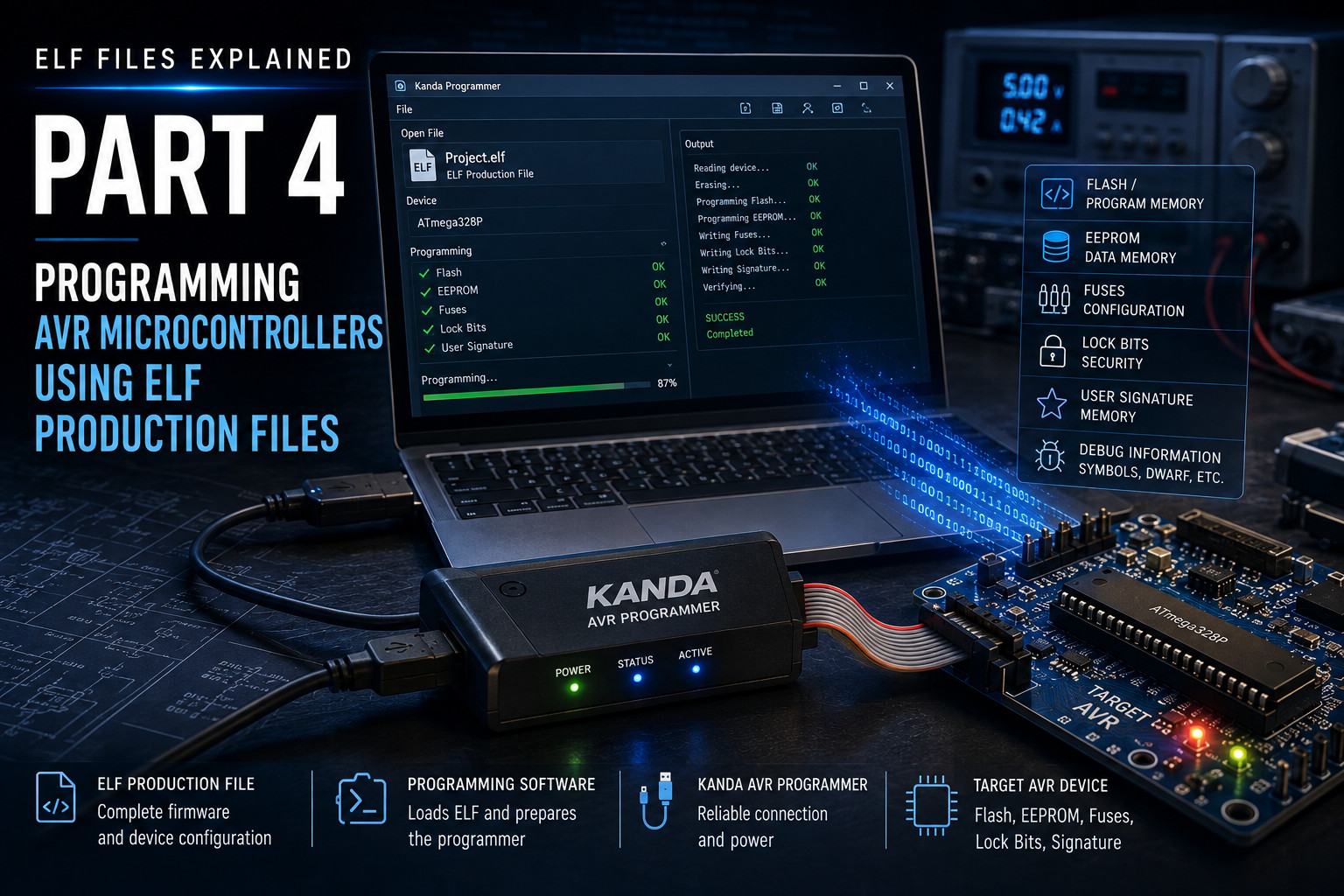
ELF Files Explained – Part 4: Programming AVR Microcontrollers Using ELF Production Files
Part 4 of the "ELF Files Explained" Series
In Part 3, we explored the AVR ELF Production File in detail, showing that it is far more than simply the executable output of the linker. Rather than containing only the application's machine code, an AVR ELF Production File describes the firmware project in its entirety, bringing together executable code, debugging information and — where appropriate — EEPROM data, fuse settings, lock bits and other device-specific information within a single structured file.
This naturally leads to an important question. If the ELF Production File already contains everything required to describe the finished firmware, why do so many AVR developers still think in terms of programming Intel HEX files? When discussing a new firmware release, it is still common to hear someone ask for "the HEX file", even though the build process itself produces an ELF first.
The answer lies not in the capabilities of the AVR toolchain, but in the history of embedded development.
The Traditional Programming Workflow
Long before integrated development environments automated the build process, firmware development consisted of a collection of individual tools connected by well-defined file formats. Compilers produced object files, linkers combined them into executable images, and programming software needed a reliable method of transferring memory contents into a target device. At a time when storage was limited, computing resources were modest, and interoperability between tools from different manufacturers was essential, Intel HEX proved to be an elegant solution.
Its success comes from its simplicity. Rather than attempting to describe an entire software project, the Intel HEX format records the contents of memory using a human-readable ASCII representation: each record contains an address together with the bytes that should be programmed there. This allowed the file to be transferred easily between development systems, archived as plain text, and interpreted by programming hardware regardless of how the firmware was originally created. As microcontrollers became increasingly popular through the 1980s and 1990s, this straightforward approach led to widespread industry adoption, and support for Intel HEX rapidly became a standard feature of virtually every device programmer.
Those historical foundations remain with us today. Whether using a modern USB programmer or equipment designed decades ago, there is a good chance Intel HEX remains one of the supported programming formats. Engineers became accustomed to building a project, generating a HEX file, and selecting that file when programming the target device — and for many, the distinction between the firmware itself and the HEX file used to deliver it gradually disappeared.
There is nothing inherently wrong with this workflow. Intel HEX continues to fulfil the purpose for which it was designed exceptionally well: if the objective is to represent the contents of programmable memory in a portable, universally recognised format, it remains one of the simplest and most effective solutions available.
Its simplicity, however, also defines its limitations. A HEX file describes memory contents — it does not describe the software project that created those contents, nor does it preserve the engineering information generated during the build process. Symbol tables, debugging information, linker metadata and much else simply fall outside its scope. This is not a weakness in the design; Intel HEX was created to solve a specific problem, and it has continued to perform that role successfully for decades.
A Different Way of Thinking
As embedded software projects have grown in size and complexity, the way engineers think about firmware has gradually changed. Modern applications often involve considerably more than writing executable instructions into Flash memory. Device configuration, non-volatile initialisation data, debugging support and long-term firmware traceability have all become increasingly important throughout the product lifecycle.
At the same time, the build systems used to create that firmware have become far more sophisticated. As we saw in Part 3, today's AVR toolchain does not simply produce a stream of executable bytes — it produces a comprehensive description of the project itself, preserving not only the executable application but also the additional information that allows development, debugging and device configuration to be treated as part of a single engineering record.
Viewed from this perspective, the role of the programming software begins to change. Instead of expecting the engineer to provide a collection of programming files representing different aspects of the firmware, the programmer can instead be supplied with the project's ELF Production File directly. It already represents the completed build — the authoritative output of the toolchain, generated directly from the controlled source code and project configuration — so rather than constructing the firmware from multiple independent inputs, the programming software can simply interpret the information contained within that one file.
From the engineer's point of view, this results in a much simpler workflow. Instead of asking, "Which files do I need to program this device?", the question becomes: "Which version of the project's ELF Production File should I use?" Once the correct production file has been selected, the programmer has access to the complete description of the firmware release, from which the required programming information can be obtained.
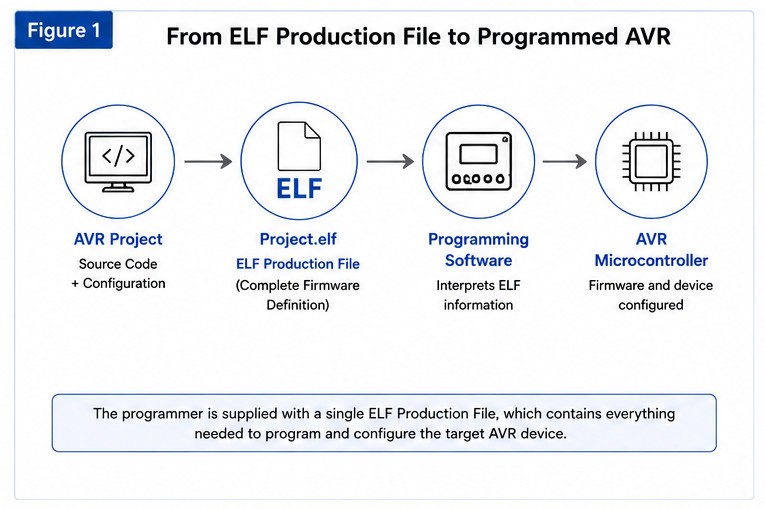
Figure 1. From ELF Production File to Programmed AVR.
The simplified programming workflow in which the AVR ELF Production File is supplied directly to programming software, which interprets the firmware information and programs the target AVR microcontroller.
This diagram deliberately hides the considerable work performed by the programming software between selecting the ELF Production File and programming the target device — understanding those internal steps is not necessary to appreciate the concept itself. The important point is that the engineer now works with a single firmware artefact rather than a collection of independently managed programming files.
This naturally raises another question: if the programmer is supplied with a single ELF Production File, how does it determine which information belongs in Flash memory, which belongs in EEPROM, and which data should be used to configure the device itself? Answering that question takes us to the heart of the modern programming workflow.
Programming the Complete AVR Device
An AVR microcontroller is not defined solely by the contents of its program memory. A complete device may include executable code destined for Flash, initialisation data intended for EEPROM, fuse bytes that determine its fundamental operating characteristics, lock bits controlling access to program memory, and — on supported devices — information held within User Signature memory. These are distinct programmable regions, each with a different purpose and, in some cases, different programming requirements.
The strength of the ELF Production File is that it already understands these distinctions. Rather than presenting the firmware as one continuous stream of bytes, it preserves the logical separation between the various parts of the project, allowing the programming software to identify each element of the firmware and apply it to the appropriate region of the target device — without the engineer having to manually separate the project into multiple programming files.
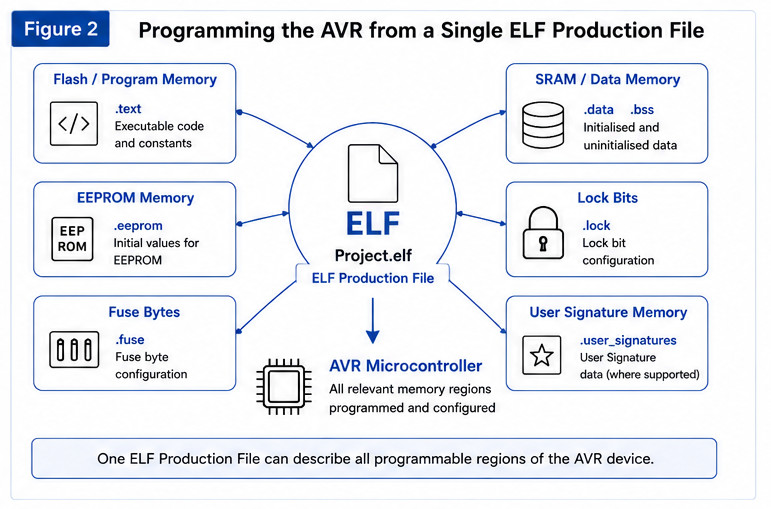
Figure 2. Programming the AVR from a Single ELF Production File.
The different programmable regions of an AVR device can be described by a single ELF Production File, including Flash, EEPROM, fuse bytes, lock bits and User Signature memory where supported.
Although represented here as separate branches, these programming operations all originate from the same firmware build. The programmer is not combining unrelated files from different locations — it is interpreting different parts of the same engineering artefact and applying them to their corresponding regions within the microcontroller.
Programming Flash Memory
For every AVR application, the primary objective is to program the executable firmware into the device's Flash memory — where the machine instructions generated by the compiler ultimately reside, and where the processor begins execution following a reset. Within the ELF Production File, these instructions are already organised into the appropriate executable sections by the linker; when programming software processes the firmware, it identifies the data intended for program memory and prepares it for transfer to the target device.
From the user's perspective this is the familiar process of programming the application, but the executable code represents only one component of the complete firmware description contained within the ELF. Historically, this executable image would often have been extracted into a separate Intel HEX file before programming. Programming directly from the ELF Production File removes that intermediate step: there is no conceptual difference between the executable code and the rest of the firmware package — they are simply different parts of the same project.
Programming EEPROM
Many AVR applications use the device's EEPROM to retain information when power is removed. Sometimes that memory is written entirely by the application during normal operation; in other cases, the firmware requires predefined values to be present from the very first time the microcontroller is programmed — factory calibration data, default configuration parameters, lookup tables, or product-specific settings that should exist before the application executes for the first time.
As we saw in Part 3, the AVR toolchain allows these values to be defined directly within the project source code. When present, they become part of the finished ELF Production File alongside the executable application, and during programming the software recognises this EEPROM data as a separate operation, ensuring it is written into EEPROM rather than Flash. The EEPROM data remains part of the same firmware release — not an unrelated file that happens to accompany the application, but another element of the project's overall firmware definition.
Programming Fuse Bytes
Unlike Flash memory and EEPROM, fuse bytes do not contain application data — they determine fundamental characteristics of the AVR itself. Clock source selection, startup behaviour, brown-out detection, boot configuration and numerous device-specific options are all controlled through the fuse settings, making correct fuse configuration just as significant as the executable code in many embedded systems.
Because fuse definitions can be included within the ELF Production File, they remain associated with the exact firmware build that created them. When the programming software encounters these definitions, it recognises that they belong to a different programming region from the executable application and handles them accordingly — providing an important safeguard against one of the most common production errors: programming the correct firmware alongside configuration values intended for a different software release.
Programming Lock Bits
Once a product reaches manufacture, attention often shifts from development to protection. Many commercial products rely on the AVR's lock bits to prevent accidental overwriting of firmware or unauthorised access to program memory. Although these settings are not part of the executable application itself, they remain an important part of the finished device configuration.
When lock bit definitions have been included within the project, they become another component of the ELF Production File, and programming software treats them exactly as it treats the other programming regions — recognising that they require a different programming operation while still belonging to the same firmware package.
User Signature Memory
Some AVR devices provide a User Signature memory region intended for application-specific non-volatile information — manufacturing information, calibration constants, hardware revision identifiers, or other data that should remain permanently associated with the product. Where this information has been defined as part of the project, it is represented within the ELF Production File in the same manner as every other firmware component, and during programming the software identifies the relevant data and transfers it to the appropriate region of the target device.
Not every AVR family implements User Signature memory, and not every application requires it. Its inclusion nonetheless reinforces the theme running throughout this article: the ELF Production File is capable of describing every programmable aspect of the firmware project, not merely the executable instructions stored in Flash memory.
One Firmware, One Device
Although Flash memory naturally receives most of the attention during firmware development, programming a modern AVR device frequently involves much more than transferring executable code. EEPROM contents, fuse bytes, lock bits and other non-volatile memory regions all contribute to the behaviour of the finished product, and each forms part of the firmware release.
The significance of the ELF Production File is that it preserves these relationships. Rather than fragmenting the project into a collection of unrelated programming artefacts, it allows the firmware to remain a single, coherent engineering definition from which every programming operation can be derived.
This raises one final question: if the programming software is capable of interpreting all these different elements automatically, what actually happens behind the scenes after an ELF Production File has been selected?
How Programming Software Uses an ELF Production File
By this point we have established two important principles: first, that the AVR ELF Production File is the definitive output of the build process, representing the complete firmware project rather than simply its executable code; and second, that modern programming software is capable of working directly from that production file, interpreting the various elements required to configure the target device.
The remaining question is how this is achieved in practice.
From the engineer's perspective the process is intentionally uncomplicated. A programmer is connected, an ELF Production File is selected, and the programming operation begins — within a few seconds the target AVR has been programmed and verified, often without the user having to think about what has happened internally. Behind that straightforward workflow, however, the programming software performs a sequence of operations that transforms the information in the ELF into the format required by the programming hardware. Understanding these internal steps is useful not because they normally require manual intervention, but because they illustrate why the ELF Production File is such an effective firmware delivery format.
Reading the ELF Production File
The first task performed by the programming software is to examine the structure of the ELF itself. Unlike an Intel HEX file, which is simply a sequence of memory records, an ELF Production File contains a wealth of structural information describing the firmware project. Before any programming takes place, the software identifies the sections within the file and determines which of those are relevant to the selected target device.
At this stage the programmer is not concerned with debugging information, symbol tables or many of the other sections that proved invaluable during software development. Those elements remain part of the ELF because they continue to define the firmware project, but they are not required during device programming. Instead, the programming software focuses on the information that contributes directly to the finished microcontroller: executable code destined for Flash memory, EEPROM initialisation data where present, fuse definitions, lock bit configuration and any other programmable device information.
This distinction highlights one of the strengths of the ELF format: different development tools are free to interpret the same production file according to their own requirements. A debugger makes extensive use of the symbol tables and DWARF information. A disassembler concentrates on the executable sections. A programmer extracts only the information required to configure the target device correctly. Every tool works from exactly the same engineering artefact, using only the parts relevant to its particular task.
Behind the Scenes
The engineer selecting an ELF Production File rarely sees the individual processing steps that follow — modern programming environments are designed to automate these operations, allowing the firmware to be programmed without requiring detailed knowledge of the intermediate formats involved.
Internally, the programming software must convert the structured information in the ELF into the form expected by the programming hardware. In many AVR development environments this processing is performed using the standard GNU Binutils supplied with the AVR-GCC toolchain — utilities such as avr-objcopy are commonly used to extract the appropriate programming data from the ELF Production File, generating the memory images required for the programming operation.
Whether the software performs the extraction internally, invokes standard GNU utilities in the background, or uses its own implementation is largely an implementation detail. What matters is that the engineer continues to work with the ELF Production File as the authoritative firmware image, while the conversion into device-specific programming data happens automatically behind the scenes. This automation also helps ensure that every programming operation is based on the exact firmware build selected by the user, rather than on manually generated files that may have been created at different times or from different source revisions.
The Kanda Programming Workflow
This philosophy is reflected in the software supplied with Kanda AVR programmers. Rather than expecting the user to prepare a collection of separate programming files before programming can begin, the software works directly with the project's ELF Production File. Once the firmware has been selected, it automatically performs the processing required to obtain the programming data for the target AVR.
From the user's perspective the workflow is deliberately straightforward. The engineer builds the project within the chosen development environment, producing the ELF Production File created by the linker. That production file is then selected within the Kanda programming software, which interprets the relevant sections and prepares the information required for the programming operation. The programmer subsequently transfers the executable code, EEPROM data and any other applicable device configuration to the target microcontroller, before verifying that the operation has completed successfully.
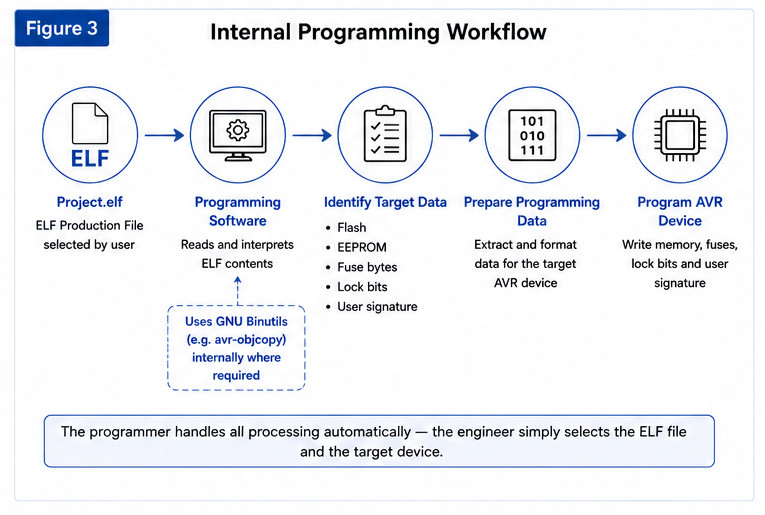
Figure 3. Internal Programming Workflow.
The programming software takes the selected ELF Production File, interprets the information relevant to the target AVR, prepares the required programming data and performs the programming operation automatically.
Although the individual processing steps remain largely hidden from the user, this approach offers an important practical advantage. The firmware is always derived from one authoritative production file, created directly from the project's controlled source code, so the engineer works with the same firmware definition throughout development, testing and production, rather than maintaining separate programming artefacts alongside the main project.
From Development Tool to Production Environment
The benefits of this workflow become even more apparent as projects move beyond individual development systems. A firmware image that begins life on an engineer's workstation will typically pass through several stages before reaching the end product: verification by the development team, supply to manufacturing for production programming, archiving alongside a software release, and eventual reuse during servicing or product maintenance. At each stage there is potential for confusion if multiple programming files must be identified, managed and kept synchronised.
Working directly from the ELF Production File simplifies this considerably. Every stage of the product lifecycle can reference the same firmware build, reducing the likelihood of mismatched programming files and maintaining a clear relationship between the released firmware and the source code revision from which it was produced. The programming software therefore performs more than a simple conversion task — it acts as the bridge between the engineering description created during development and the physical programming operations carried out on the target microcontroller, allowing the same firmware definition to be used consistently from the first development build through to production programming.
Simplifying the Programming Process
One of the strengths of the GNU AVR toolchain is that it is built from a collection of well-defined utilities, each responsible for a specific stage of the development process. The compiler translates source code into object files, the linker combines those objects into the finished ELF Production File, and, where necessary, utilities such as avr-objcopy extract the programming data required for a particular device or programming format.
Although understanding these tools provides valuable insight into how the AVR development environment operates, most engineers do not want to manually invoke command-line utilities every time a firmware image is programmed. In a production environment, the priority is reliability, repeatability and ease of use rather than the mechanics of the underlying toolchain — which is why Kanda's AVR programming software automates much of the process.
Rather than requiring the user to generate separate programming files or manually execute GNU Binutils, the software accepts the project's ELF Production File and performs the necessary processing internally, using standard GNU utilities such as avr-objcopy automatically where appropriate. Because the programming data is generated directly from the selected ELF Production File, the risk of programming an outdated HEX file, or accidentally pairing the wrong EEPROM image with the correct application, is significantly reduced — the firmware presented to the programmer remains the same firmware produced by the build system.
For most users this entire process is invisible. The complexity of the GNU toolchain remains available to those who wish to understand it, but everyday programming becomes a straightforward workflow: build the project, select the ELF Production File, and let the programming software perform the remaining steps automatically.
AVR Development in MPLAB X
Although this article has focused primarily on Atmel Studio and its AVR ELF Production Files, AVR development is no longer limited to a single integrated development environment. Since acquiring Atmel, Microchip has incorporated AVR support into its MPLAB X IDE, allowing AVR and PIC microcontrollers to be developed within the same software platform, and giving developers working across multiple Microchip architectures a common development environment while retaining support for the AVR-GCC toolchain.
One important difference between the two environments is the form of the primary programming output. Atmel Studio generates an AVR ELF Production File that acts as the complete engineering description of the firmware project, whereas MPLAB X produces an Intel HEX file containing the programming data required for the target device. Although the formats differ, both ultimately provide a single firmware artefact that can be used during device programming.
Kanda AVR programming software supports both workflows. Whether the firmware has been developed using Atmel Studio and supplied as an ELF Production File, or built using MPLAB X and supplied as an Intel HEX file, the software loads the appropriate file and programs the complete AVR device from that single firmware image. The choice of development environment therefore does not dictate the programming workflow — regardless of whether the project originates from Atmel Studio or MPLAB X, the programming process remains straightforward, allowing the finished firmware to be transferred to the target device from one authoritative build output.
Conclusion
Throughout this article we have followed the AVR ELF Production File beyond the build system and into the programming process. We began by examining the historical role of Intel HEX and understanding why it became the dominant firmware exchange format for so many years. We then looked at how modern programming software is increasingly able to work directly from the ELF Production File, interpreting its contents and programming each region of the microcontroller from a single, authoritative firmware description.
Seen in this light, the ELF Production File is more than simply another output generated by the linker. It becomes the central artefact around which the entire firmware lifecycle revolves: development tools create it, debuggers analyse it, programming software interprets it, and production systems use it to configure finished devices. Rather than fragmenting a firmware release into multiple independent files, the ELF Production File provides a single engineering record from which every stage of the programming process can proceed.
Series Conclusion
When this series began, the goal was simply to explain what an ELF file is. As we have seen, the answer extends far beyond the structure of a binary file format.
We began by tracing the history of ELF and understanding why it replaced earlier executable formats. We then explored its internal structure, discovering how sections, symbols and debugging information allow modern development tools to cooperate using a common engineering language. From there we examined how AVR-GCC extends the format to describe an entire firmware project, incorporating not only executable code but also EEPROM data, fuse settings, lock bits and other device-specific information. Finally, we saw how that same production file naturally becomes the ideal starting point for programming AVR microcontrollers, providing one authoritative source from which the complete device can be configured.
Although this series has focused on AVR development, the underlying philosophy is much broader. Modern embedded software increasingly revolves around maintaining a single, accurate description of a firmware project throughout its lifetime. The ELF format has proved remarkably successful because it fulfils exactly that role, providing a flexible, extensible and tool-independent representation of a software build that compilers, linkers, debuggers, analysers and programming tools can all understand.
For AVR developers, this means it is worth looking beyond the familiar Intel HEX file. The HEX file remains an excellent programming format and will undoubtedly continue to play an important role for many years to come. But it is the ELF Production File that represents the complete engineering definition of the firmware. Understanding that distinction makes it easier to build robust development workflows, simplify production programming, and maintain complete traceability throughout the lifetime of an embedded product.
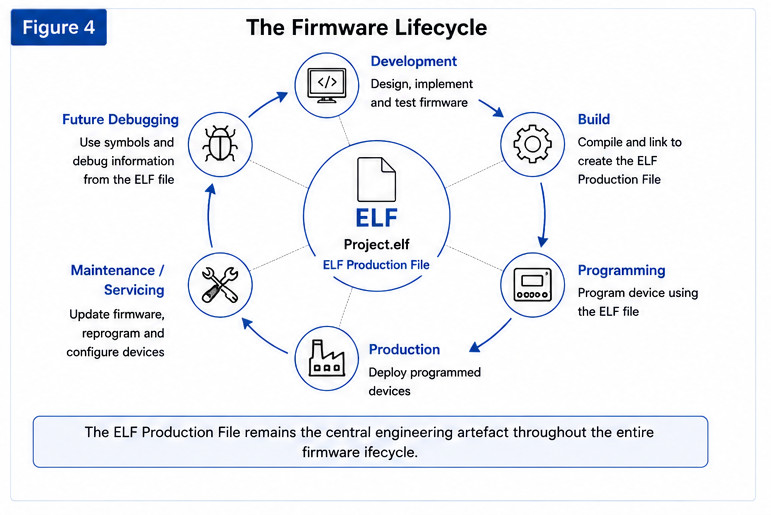
Figure 4. The Firmware Lifecycle.
The ELF Production File follows the firmware throughout its lifecycle, from development and build through programming and production to future maintenance, servicing and debugging.